


 روبن: +86 137-0510-1208 | كليف: +86 138-0510-2308
روبن: +86 137-0510-1208 | كليف: +86 138-0510-2308

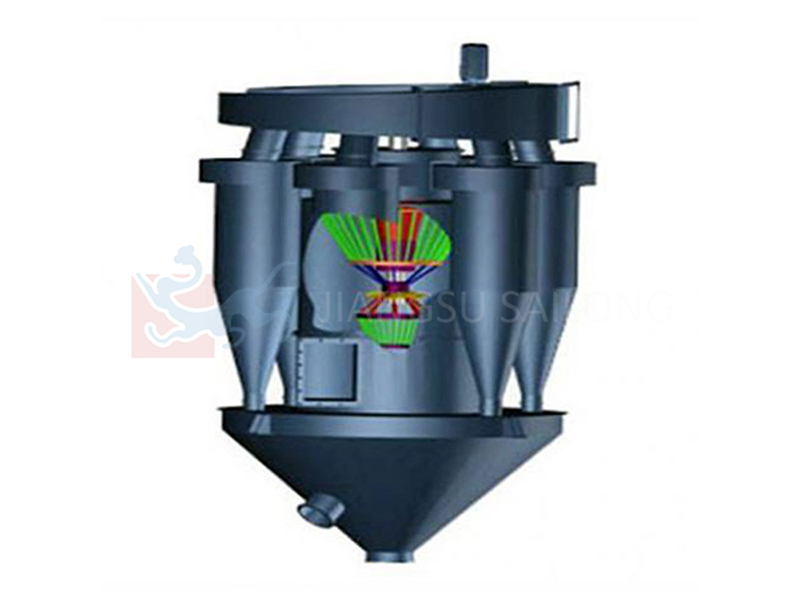
Why Is the Rotary Dryer a Popular Choice in Mineral Processing?
Introduction
The rotary dryer is a widely used industrial drying system in mineral processing and various other industries. Its popularity stems from its ability to handle a wide range of materials, high efficiency, and robust design. In mineral processing, drying is a crucial step to reduce moisture content, improve material handling, and prepare ores for further processing. This paper explores the reasons why the rotary dryer is a preferred choice in mineral processing, discussing its working principles, advantages, applications, and key considerations for selection.
Working Principle of a Rotary Dryer
A rotary dryer operates on a simple yet effective principle. It consists of a large, rotating cylindrical drum slightly inclined to facilitate material movement. Wet material is fed into the higher end of the drum, while hot gases (usually from combustion or other heat sources) flow through the drum, either co-currently (same direction as the material) or counter-currently (opposite direction). As the drum rotates, internal lifters or flights lift and cascade the material through the hot gas stream, ensuring efficient heat transfer and uniform drying. The dried material exits the lower end, while exhaust gases are treated and discharged.
Key Advantages of Rotary Dryers in Mineral Processing
1. High Capacity and Scalability
Rotary dryers are capable of handling large volumes of material, making them ideal for high-throughput mineral processing operations. They can be scaled up or down to match production requirements, from small pilot plants to large industrial facilities.
2. Versatility in Material Handling
These dryers can process a wide variety of minerals, including ores, concentrates, tailings, and sludges. They accommodate materials with different particle sizes, moisture levels, and thermal sensitivities, making them suitable for diverse applications.
3. Efficient Heat Transfer
The cascading action of material inside the drum maximizes exposure to hot gases, ensuring efficient heat transfer and uniform drying. This reduces energy consumption and improves drying rates compared to other drying methods.
4. Robust and Reliable Design
Rotary dryers are built to withstand harsh operating conditions, including high temperatures, abrasive materials, and continuous operation. Their simple mechanical design minimizes maintenance requirements and downtime.
5. Customizable Configurations
Rotary dryers can be tailored to specific needs with options such as:
- Direct or indirect heating (depending on material sensitivity).
- Co-current or counter-current airflow (to optimize heat efficiency).
- Specialized flights and lifters (to improve material movement and drying uniformity).
- Dust collection and emission control systems (to meet environmental regulations).
6. Energy Efficiency
Advanced designs incorporate heat recovery systems to reuse waste heat, reducing fuel consumption. Additionally, the ability to use various heat sources (natural gas, biomass, waste heat) enhances operational flexibility and cost-effectiveness.
7. Uniform Drying
The tumbling action ensures consistent moisture removal, preventing over-drying or under-drying, which is critical for downstream processes like smelting or pelletizing.
Applications in Mineral Processing
Rotary dryers are used in multiple stages of mineral processing, including:
- Ore Drying: Reducing moisture in mined ores to improve crushing, grinding, and beneficiation efficiency.
- Concentrate Drying: Preparing metal concentrates (e.g., copper, iron, gold) for smelting or shipping.
- Tailings Management: Drying waste materials to reduce volume and facilitate disposal or reuse.
- Sludge and Slurry Drying: Processing byproducts from mineral extraction or wastewater treatment.
Comparison with Alternative Drying Technologies
While other drying systems (e.g., fluidized bed dryers, flash dryers, spray dryers) exist, rotary dryers often outperform them in mineral processing due to:
- Lower operating costs for large-scale operations.
- Better handling of abrasive or coarse materials.
- Greater tolerance to feed variability (moisture, particle size).
- Longer equipment lifespan.
Key Considerations for Selecting a Rotary Dryer
When choosing a rotary dryer for mineral processing, factors to consider include:
1. Material Characteristics: Moisture content, particle size, abrasiveness, and thermal sensitivity.
2. Production Requirements: Throughput, drying time, and desired final moisture level.
3. Heat Source Availability: Fuel type, cost, and environmental impact.
4. Space and Layout: Footprint and integration with existing processes.
5. Environmental Regulations: Emissions control and dust management.
Challenges and Mitigation Strategies
Despite their advantages, rotary dryers face challenges such as:
- Material buildup (addressed with proper drum design and cleaning mechanisms).
- Dust generation (mitigated by bag filters or SCRubbers).
- High initial investment (offset by long-term operational savings).
Future Trends and Innovations
Advancements in rotary dryer technology focus on:
- Smart controls (automation for optimal drying performance).
- Enhanced heat recovery (improving energy efficiency).
- Eco-friendly designs (reducing carbon footprint).
Conclusion
The rotary dryer remains a cornerstone of mineral processing due to its versatility, efficiency, and reliability. Its ability to handle diverse materials at scale, coupled with continuous technological improvements, ensures its enduring popularity. As the industry evolves toward sustainability and automation, rotary dryers will continue to adapt, maintaining their status as the drying solution of choice for mineral processors worldwide.
(Word count: ~2000)
يستخدم هذا الموقع ملفات تعريف الارتباط لضمان حصولك على أفضل تجربة على موقعنا.

 English
 Español
 Pусский
 Français
 العربية



 هاتف
هاتف
تعليق
(0)